Nov 2025Film
Brutalism in Motion — Samuel Stephenson’s Mr BlissSilva ShalevaBrutalism has rarely felt this intimate. In Mr Bliss, director Samuel Stephenson and performer Matt McCreary use movement to soften the weight of concrete, turning rigid architecture into something tense, tactile, and deeply human.
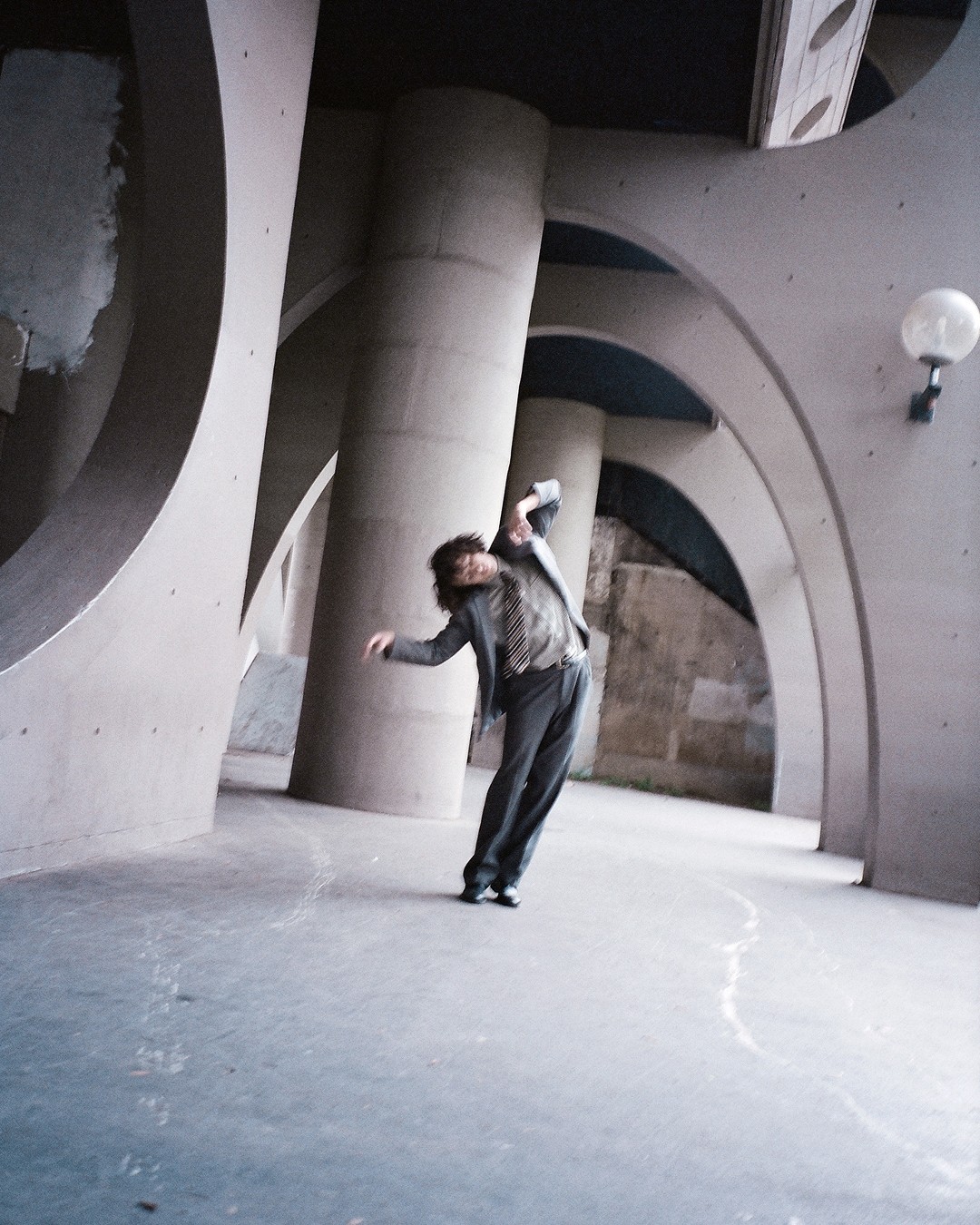
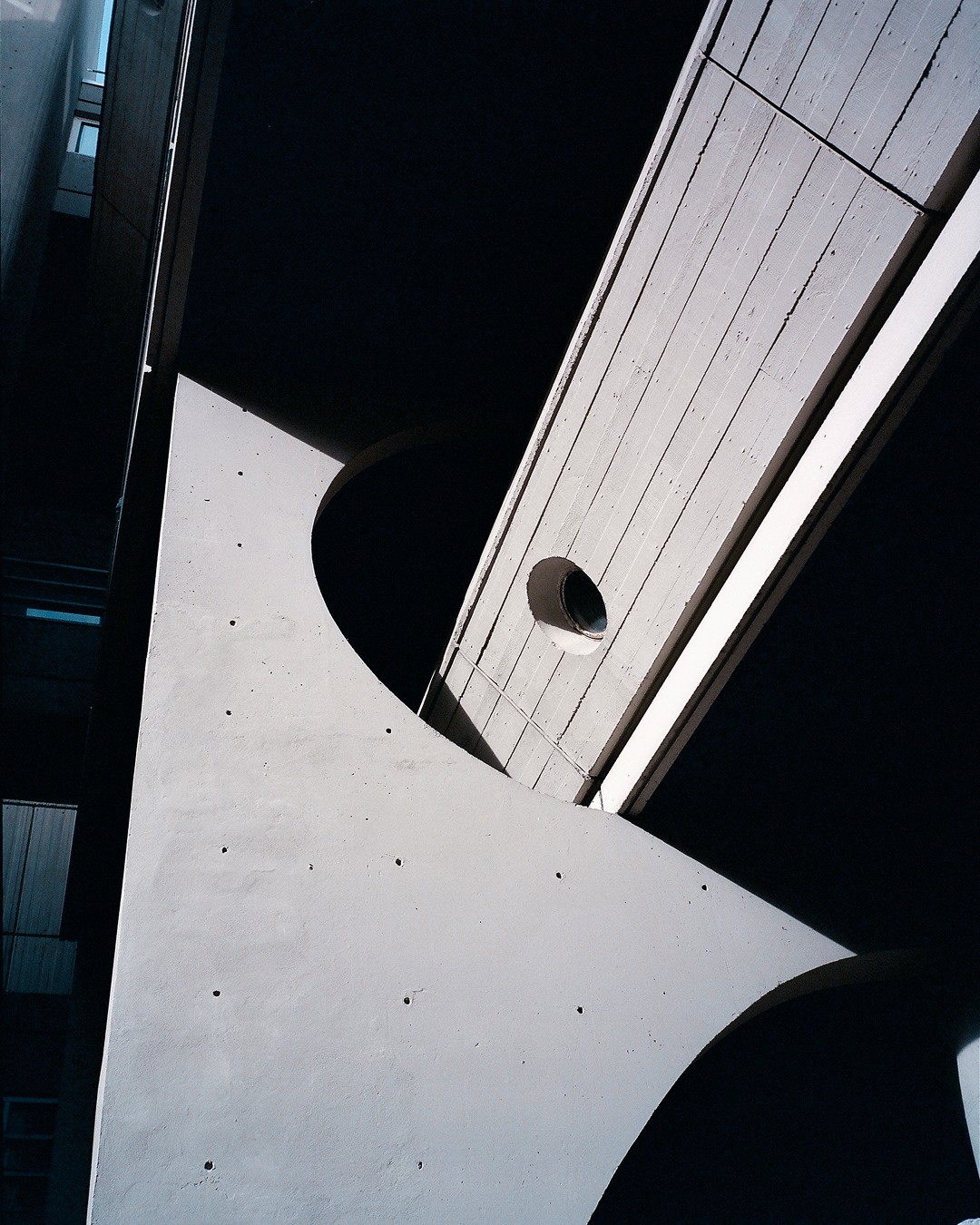
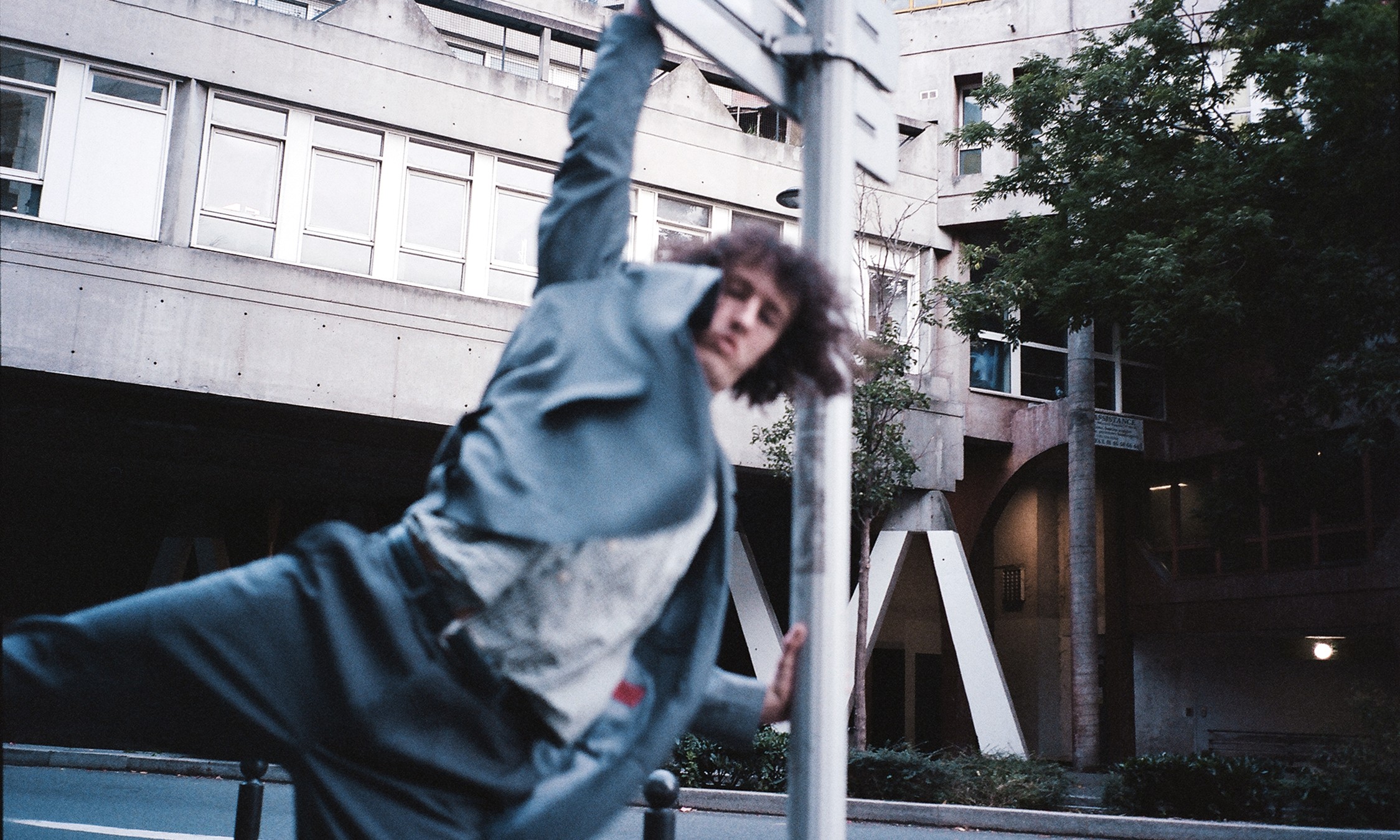
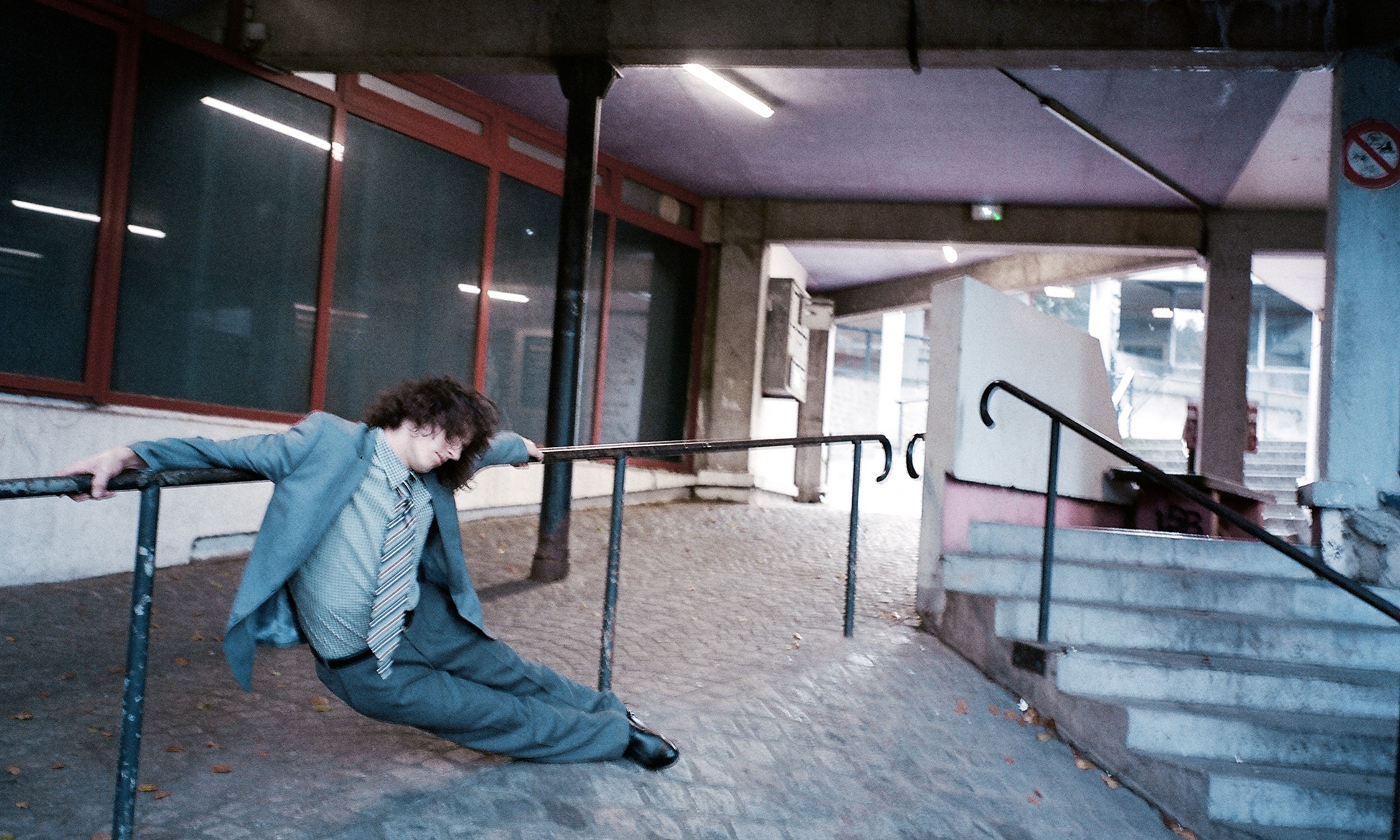
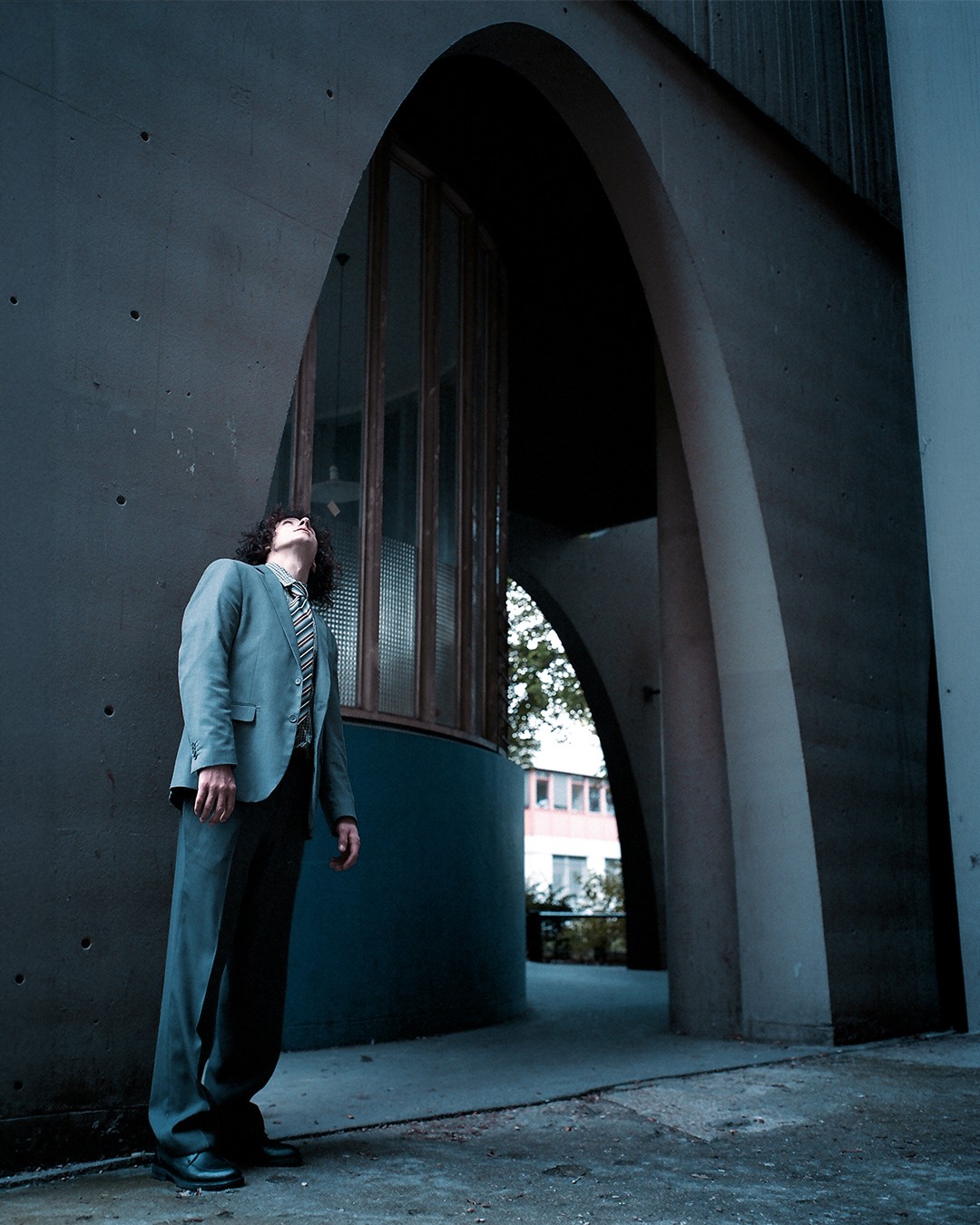
The film began casually, through a connection on Instagram, but quickly evolved into something more intuitive and intimate. Samuel gave Matt time to encounter the locations alone before filming, allowing him to absorb the architecture and respond to it freely. That process led them to Ivry-sur-Seine, a place defined by its monolithic buildings and layered social history. Designed by architects including Jean Renaudie and Renée Gailhoustet, the area carries all the contradictions often tied to brutalism: utopian ideals, social tension, beauty, hostility, and abandonment.
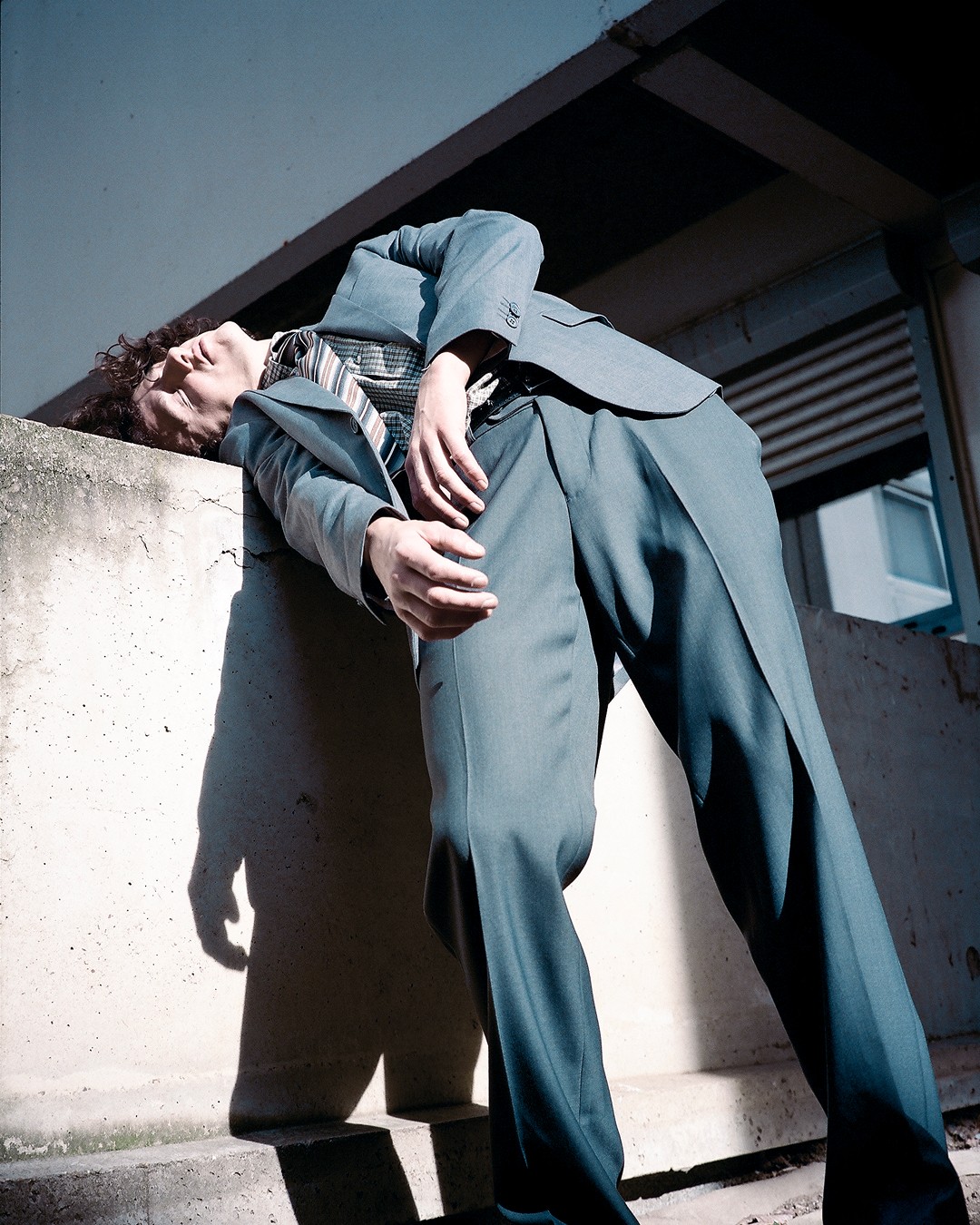
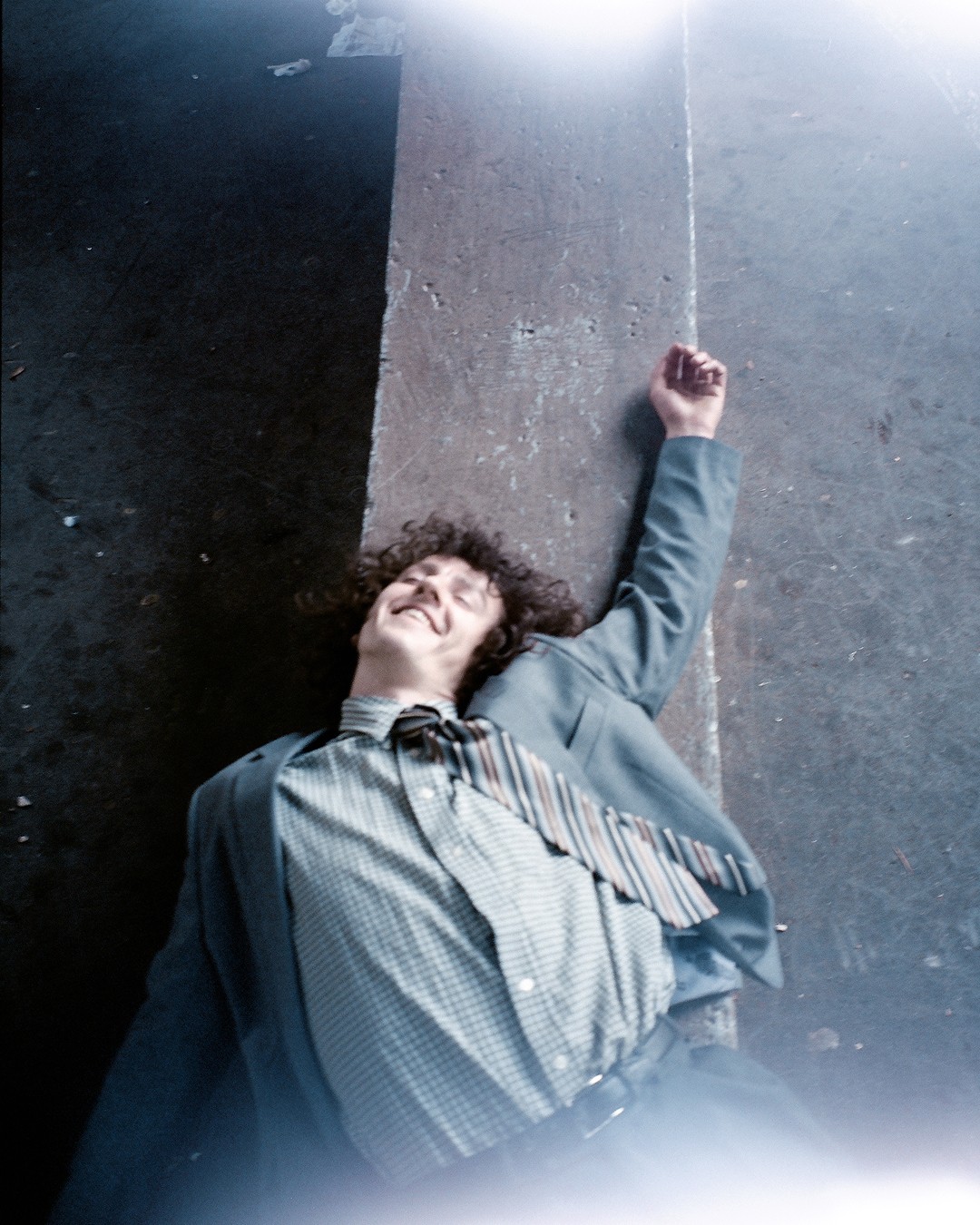
That tension gives Mr Bliss its charge. Brutalism is often seen as cold, but here it becomes a collaborator, even an antagonist. Matt moves through stairwells and across hard concrete planes with a mix of vulnerability and resistance, never overpowering the architecture, only revealing what it does to the body. As Samuel puts it, the location almost choreographs the performer.
That tension gives Mr Bliss its charge. Brutalism is often seen as cold, but here it becomes a collaborator, even an antagonist. Matt moves through stairwells and across hard concrete planes with a mix of vulnerability and resistance, never overpowering the architecture, only revealing what it does to the body. As Samuel puts it, the location almost choreographs the performer.
Shot on film, Mr Bliss leans into grain, texture, and imperfection, giving the images a sense of memory rather than polish. Just as important, the project remains aware of the ethics of filming in a lived-in environment. Ivry is not an abstract backdrop; it is someone’s home, with its own realities and histories.The film doesn’t try to beautify brutalism. It simply lets you experience it up close. Concrete feels tactile. Space feels emotional. And what first appears dead or distant begins, through movement, to breathe.
Jul 2025Design
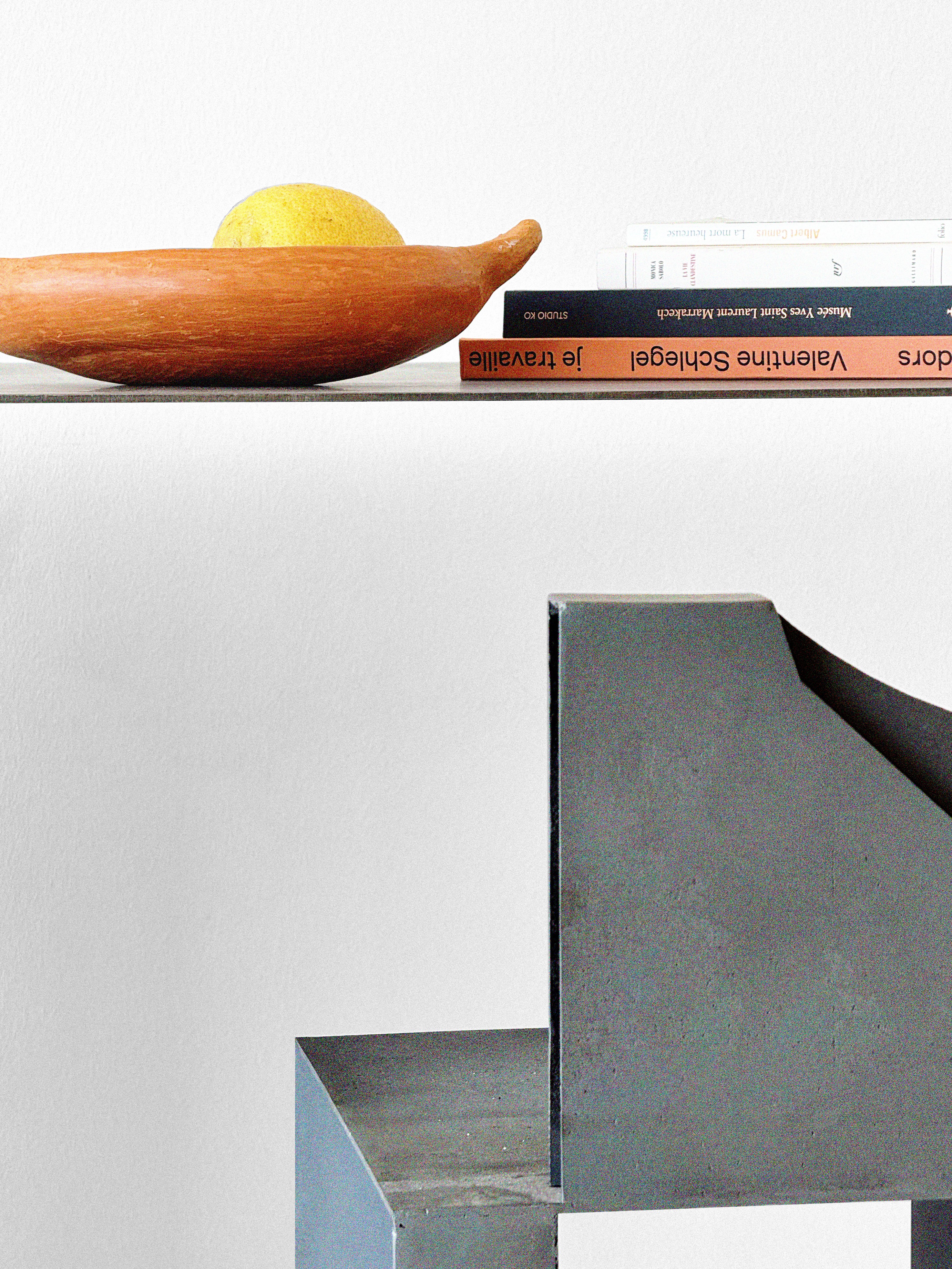
The Poetry of Subtraction: Romain Basile Petrot's Continuum Discontinuum
Jun 2025Sound
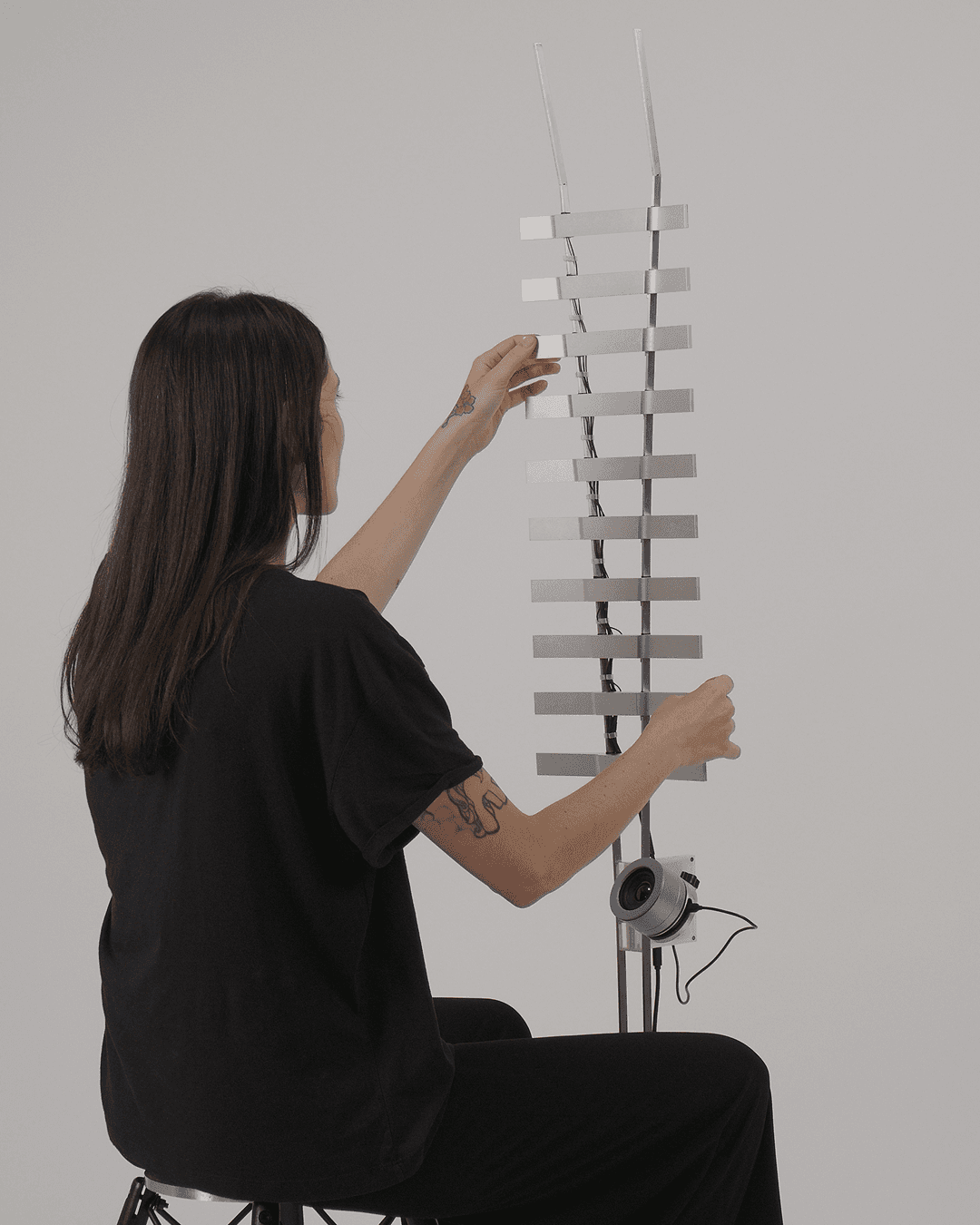
Where Conductivity Meets Curiosity: VS.WAV by Yarden Shahar
May 2025Design
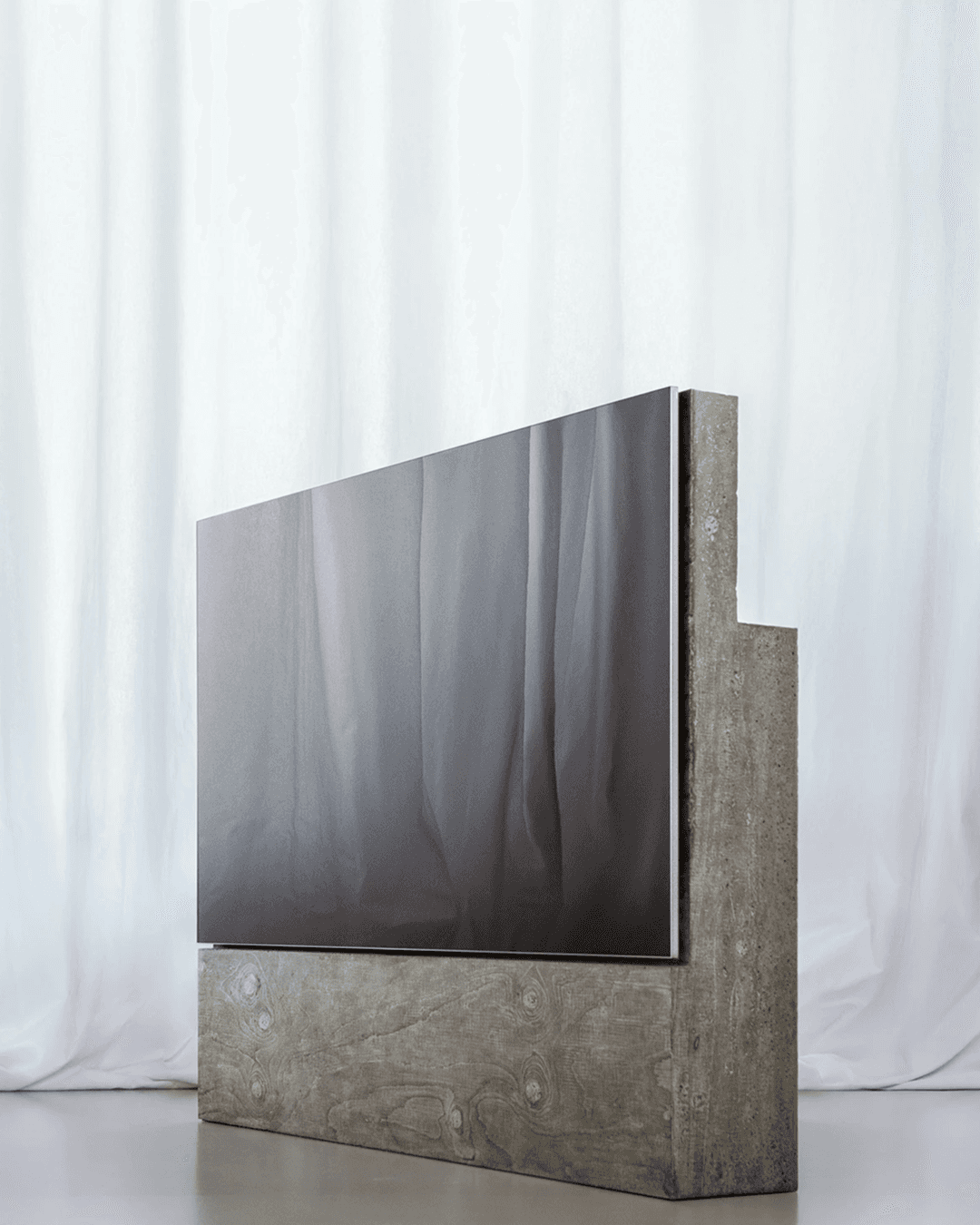
The Domestic Monolith: David Bard’s Concrete TV Stand