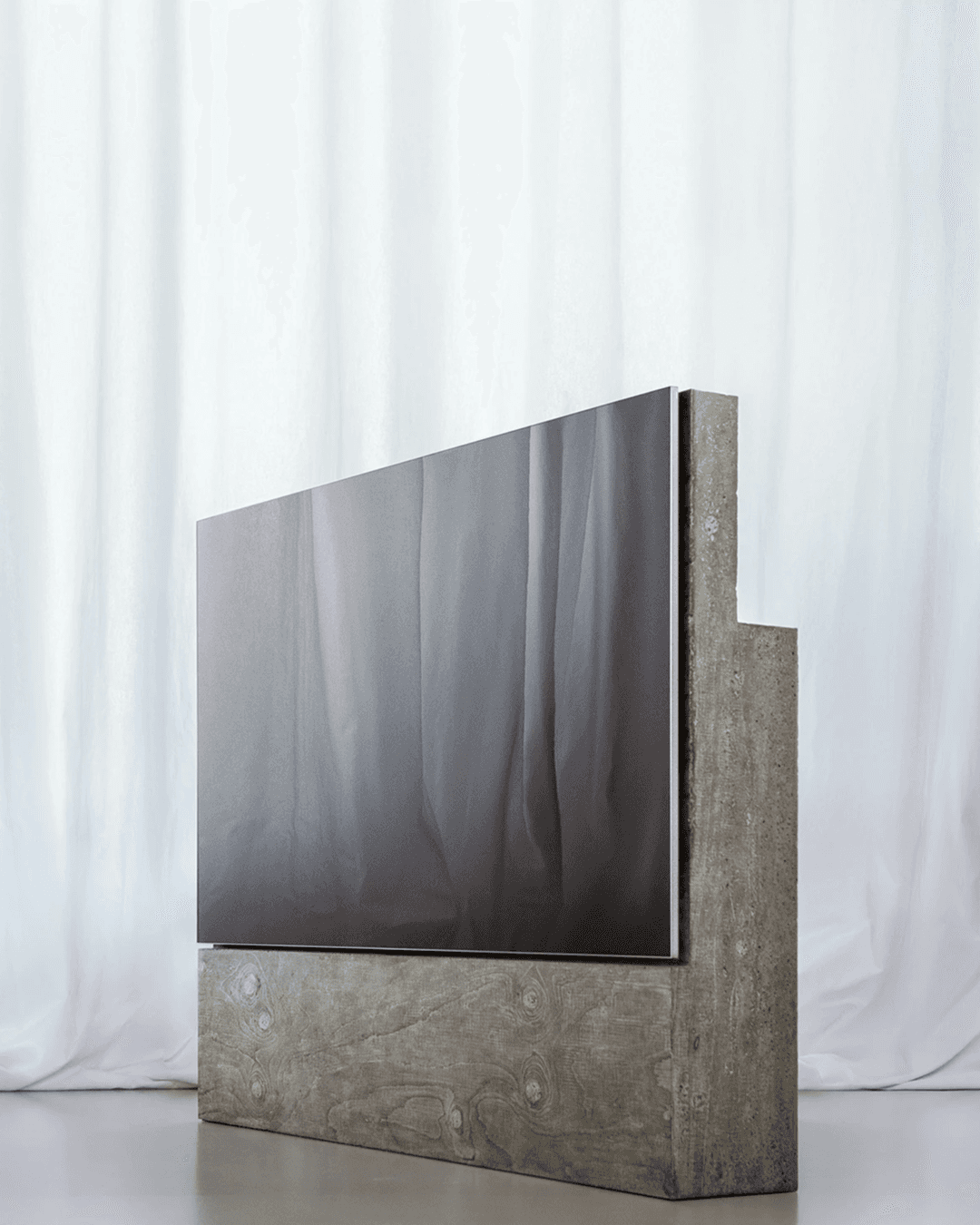
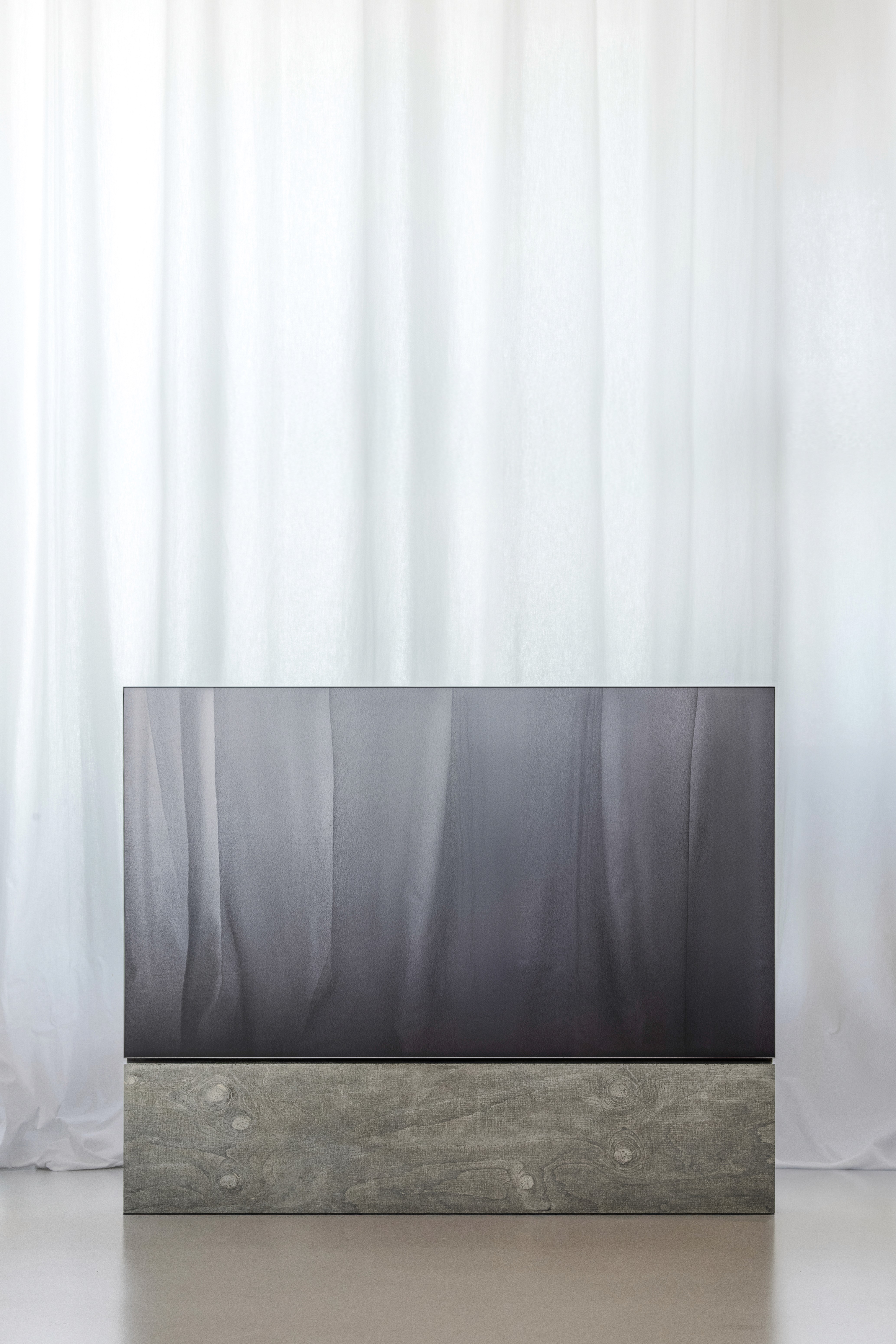
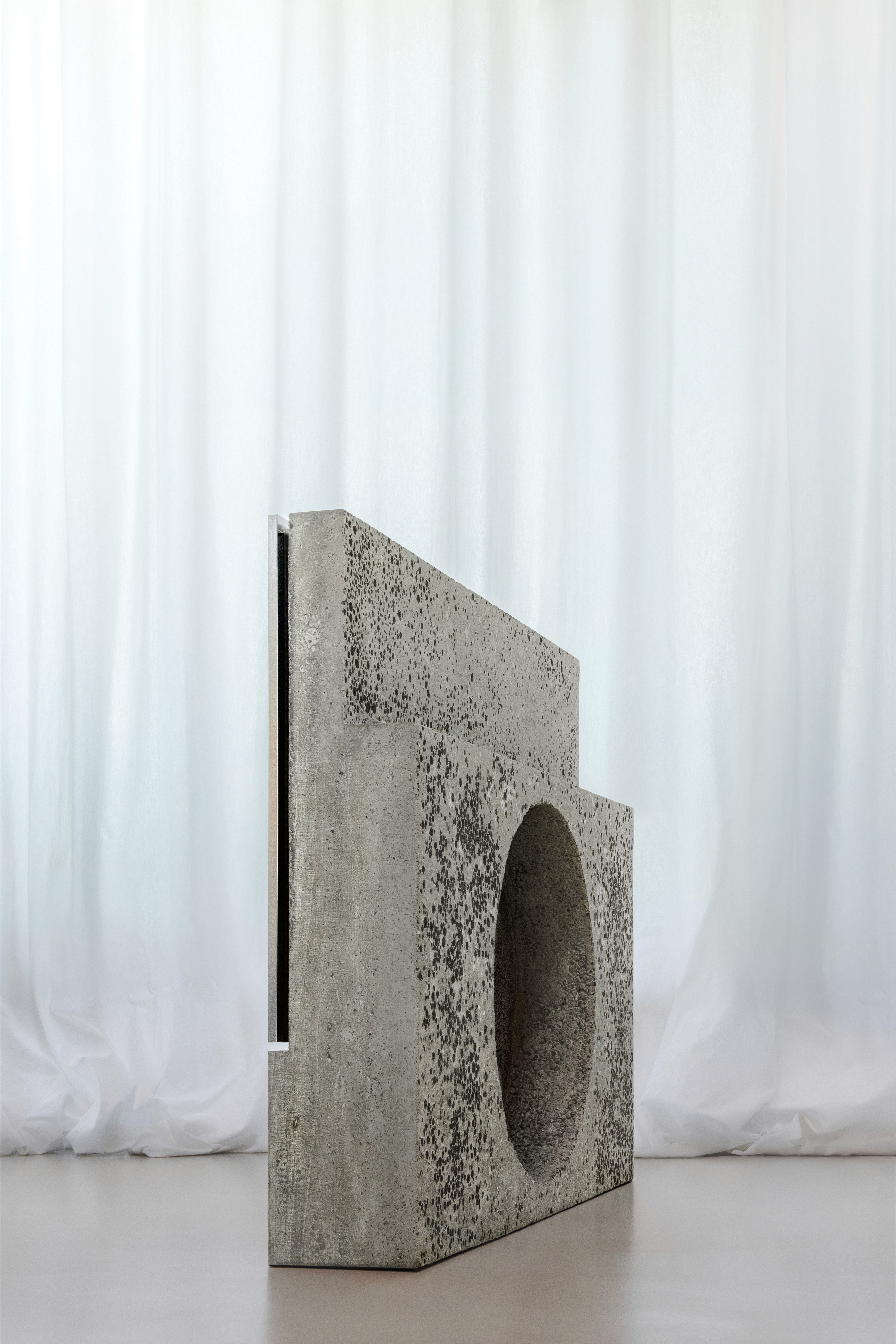
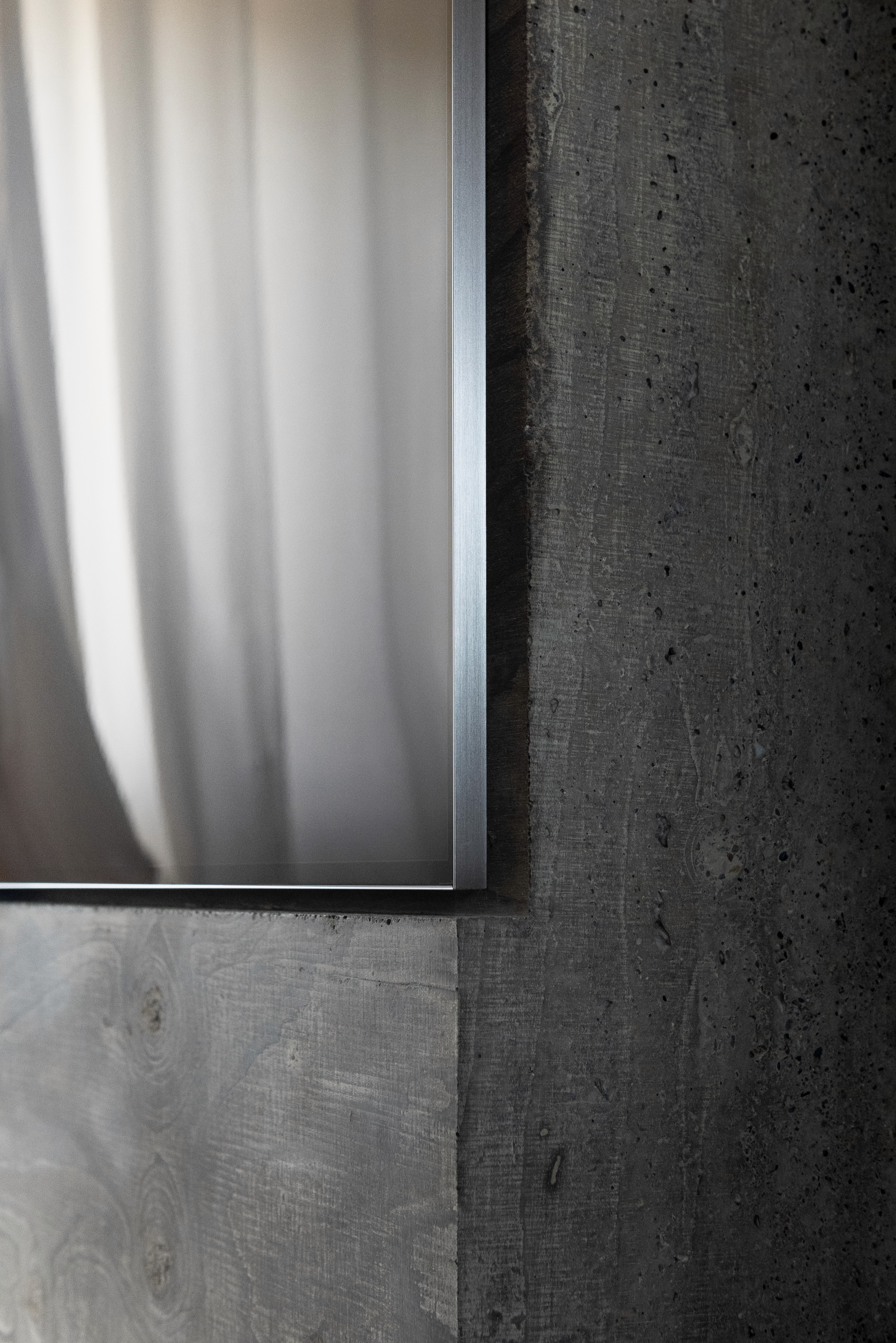
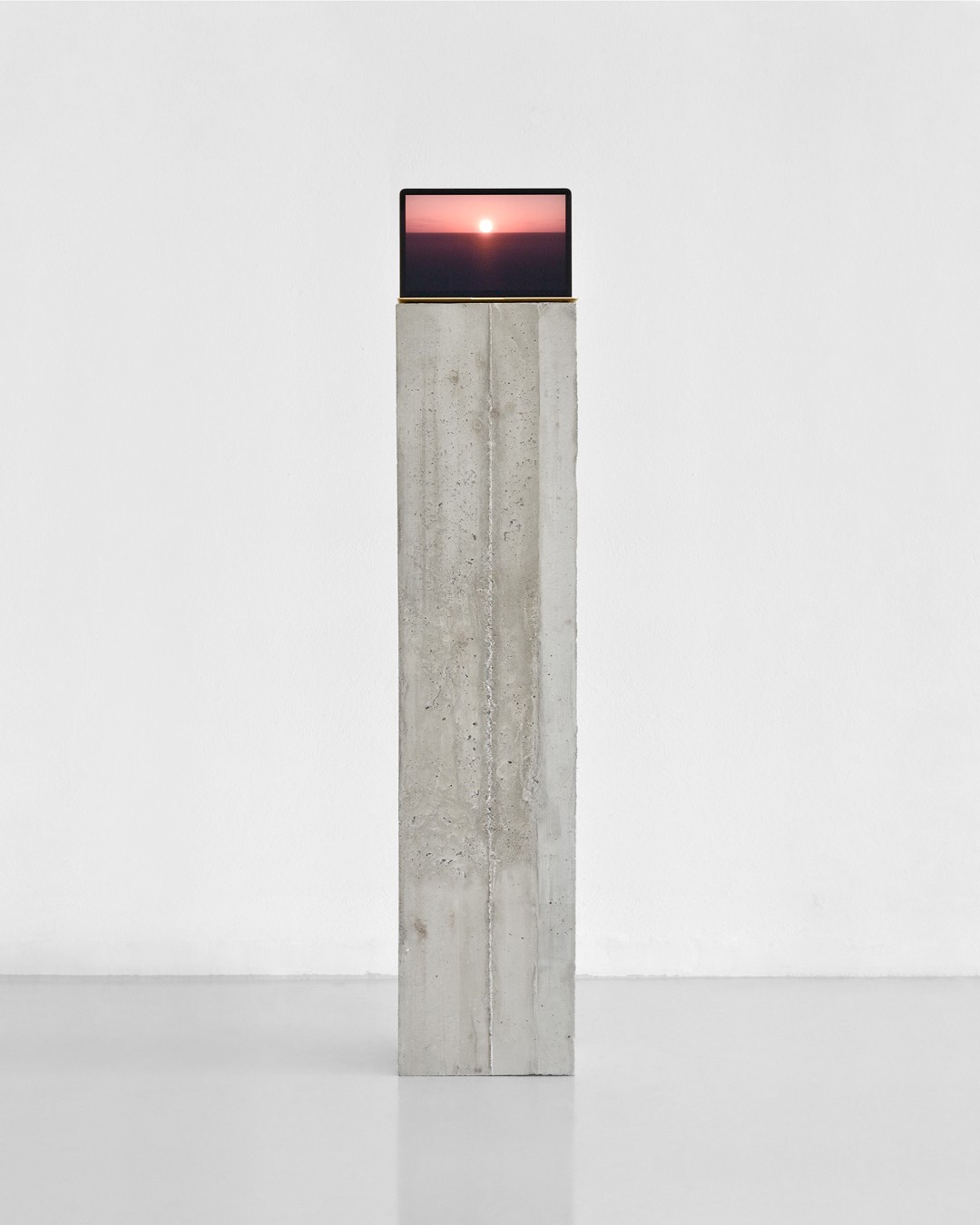
There’s irony here, too. The TV stand, typically invisible, functional, forgettable, is elevated to sculptural significance. Meanwhile, the screen it supports becomes secondary, just another reflective plane in the composition. Bard reverses the hierarchy of attention, making us consider the structure beneath as the spectacle.That tension defines the object. The concrete base, seemingly eternal, is built to outlast the very technology it supports. The television, svelte, current, and destined for obsolescence, will one day fade to black, its cables outdated, its software unsupported. And yet the stand will remain, mute and monolithic. What happens then? Will future users adapt it to new technology, or will it be left behind, admired as a sculptural remnant of a bygone digital age? In designing permanence around the impermanent, Bard asks us to confront a fundamental question: how do we create objects that can evolve, rather than expire, with time?
This object may never speak, flicker, or scroll, but in its stillness, it communicates something essential: architecture, even at the scale of furniture, can be philosophical. It can ask questions. It can hold its ground, quietly, monumentally, in a room full of noise.
This object may never speak, flicker, or scroll, but in its stillness, it communicates something essential: architecture, even at the scale of furniture, can be philosophical. It can ask questions. It can hold its ground, quietly, monumentally, in a room full of noise.